


 346-200-6097
The Foundation of a Defensible Case
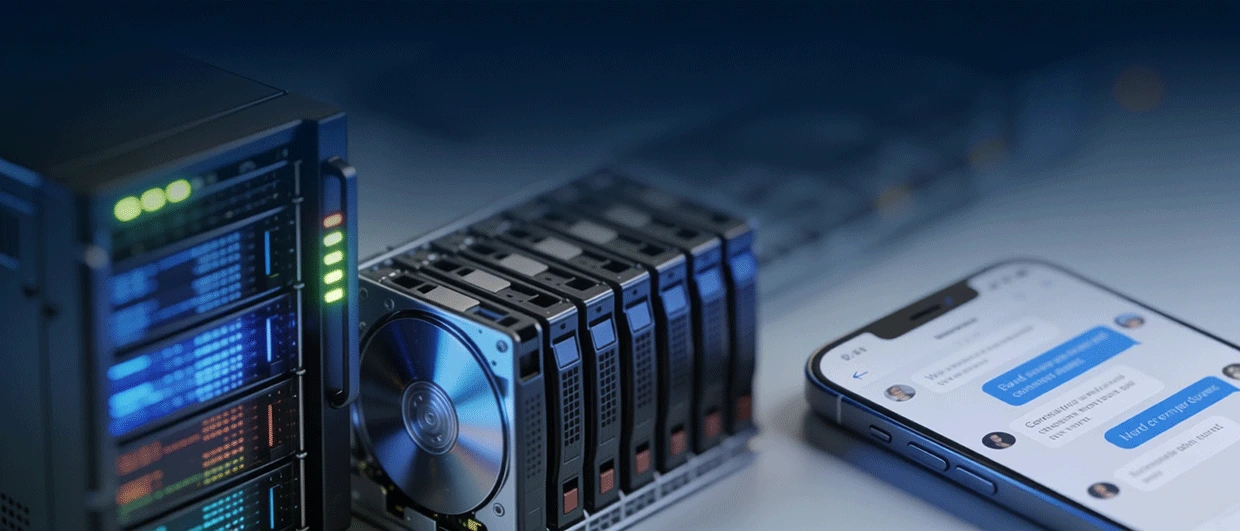
In civil litigation, electronic evidence often shapes the outcome of a case long before it reaches the merits. Whether electronically stored information (ESI) was preserved in a timely manner, collected using defensible forensic methods, and produced with its metadata intact can influence admissibility, credibility, and litigation strategy as much as the evidence itself.
For litigators handling matters involving digital evidence, understanding these issues early is essential to minimizing discovery disputes, protecting critical information, and ensuring the evidence can withstand scrutiny throughout the legal process. Here are three key considerations to keep in mind when managing electronic evidence in civil litigation.
The duty to preserve starts before the complaint
The obligation to preserve ESI attaches the moment litigation is reasonably anticipated, often well before a suit is filed or served. In that gap, the ordinary rhythms of business destroy evidence on autopilot. Retention policies auto-delete, devices get wiped and reissued, mailboxes purge on schedule. A litigation hold only works if it reaches the actual data sources in time. When it doesn’t, the argument shifts from the merits to spoliation and Rule 37(e) sanctions.
Picture the timeline. A dispute or triggering event happens. At some point after that, litigation becomes reasonably anticipated, and that is when the duty attaches, usually before the complaint is filed and served, before discovery, before production. The dangerous stretch is the gap between when the duty attaches and when a hold actually reaches the real data. That is where evidence quietly disappears.
The case rarely lives in email anymore
Scoping discovery to email and server files misses where modern communication actually happens: text messages, Slack and Teams, shared collaboration docs, ephemeral and disappearing-message apps, personal devices under BYOD, and cloud accounts. Opposing counsel increasingly knows to ask for all of it.
The party that mapped its custodians’ real data footprint early is the one not scrambling, or explaining a gap, later.
How evidence is collected decides whether it comes in
Self-collection feels efficient until it isn’t. When custodians gather their own data by screenshot, forwarding, or drag-and-drop, they strip metadata and open authentication and chain-of-custody gaps that opposing counsel can exploit. A defensible forensic collection preserves the metadata, documents the handling, and protects the evidence’s admissibility and weight when it’s challenged. And increasingly, it will be.
Before discovery heats up, ask
- Has a litigation hold issued, and does it reach texts, chat, cloud, and personal devices, not just email?
- When did the duty to preserve actually attach in this matter?
- Are any custodian data sources still on auto-delete or scheduled to be wiped?
- Is collection being done defensibly, or are custodians self-collecting?
- Will the key evidence survive an authentication challenge?
About Black Dog Forensics
We provide digital forensic and expert witness services for attorneys, litigation teams, and investigators nationwide: forensic ESI collection, mobile device forensics, cloud and social media preservation, metadata and timeline analysis, and independent forensic examination. When a matter turns on electronic evidence, the move is to involve us early, before preservation gaps become spoliation arguments.
Have a matter where the evidence is electronic? Work with our team.

