


 346-200-6097
Why Insider Threats Often Go Undetected Until It's Too Late

Employee data theft is one of those threats that keeps business owners up at night, and for good reason. Unlike external hackers who have to break through your defenses, insiders already have the keys to the kingdom. They know where the valuable data lives, they have legitimate access, and they understand your security protocols well enough to work around them.
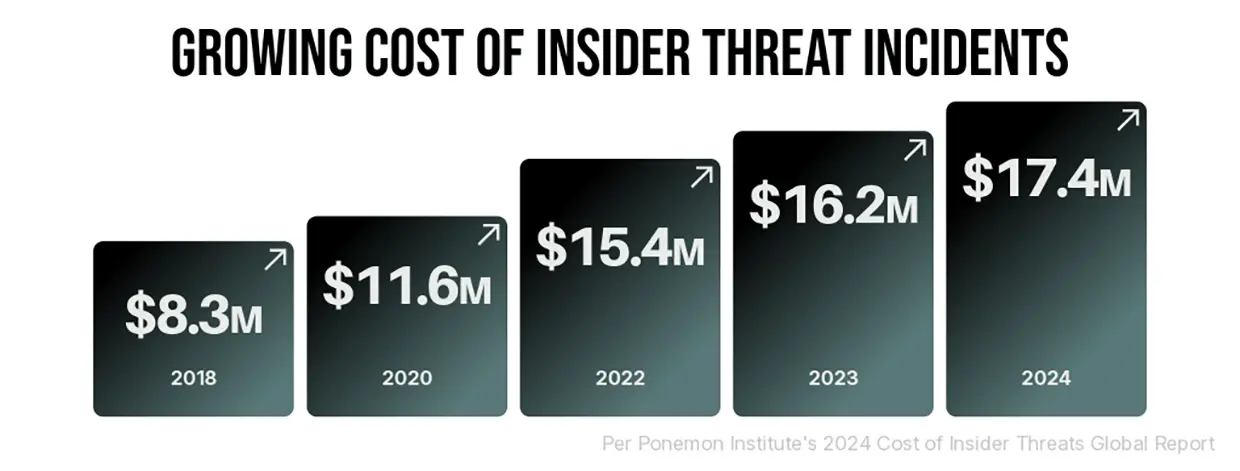
The numbers paint a sobering picture. According to the Ponemon Institute's 2024 Cost of Insider Threats Global Report, the average annual cost of insider threats has climbed to $17.4 million, up from $16.2 million just a year earlier. And while around 62% of security incidents involve negligent employees rather than malicious actors, intentional data theft investigations represent a growing concern that businesses cannot afford to ignore.
The challenge? Spotting employee data theft before serious damage occurs. The warning signs are often subtle, easily dismissed as normal workplace behavior until it is too late. Let's break down what forensic investigators look for when uncovering insider threats.
Why employee data theft is so hard to detect
The fundamental problem with insider threats is that they blur the line between legitimate work and malicious activity. Employees need access to sensitive data to do their jobs. They download files, send emails, and work outside normal hours for perfectly valid reasons. Separating the suspicious from the routine requires understanding context and patterns.
Most security tools are designed to keep outsiders out. Firewalls, intrusion detection systems, and endpoint protection focus on external threats. But when the threat comes from someone who already has credentials and knows the system, traditional defenses fall short.
Timing adds another layer of complexity. Research shows that 70% of intellectual property theft occurs within the 90 days before an employee announces their resignation. This narrow window means businesses need to spot warning signs early and act quickly. Yet many organizations lack formal processes for monitoring departing employee investigations, leaving them vulnerable during this critical period.
The trust factor cannot be overstated. Long-tenured employees, high performers, and those with broad system access are often overlooked as potential risks precisely because they have earned that access through legitimate work. By the time concerns become obvious, the damage may already be done.
Behavioral warning signs that signal data theft risk
Behavioral changes often provide the earliest clues that something is amiss. While no single behavior proves theft is occurring, patterns of unusual conduct warrant closer attention.
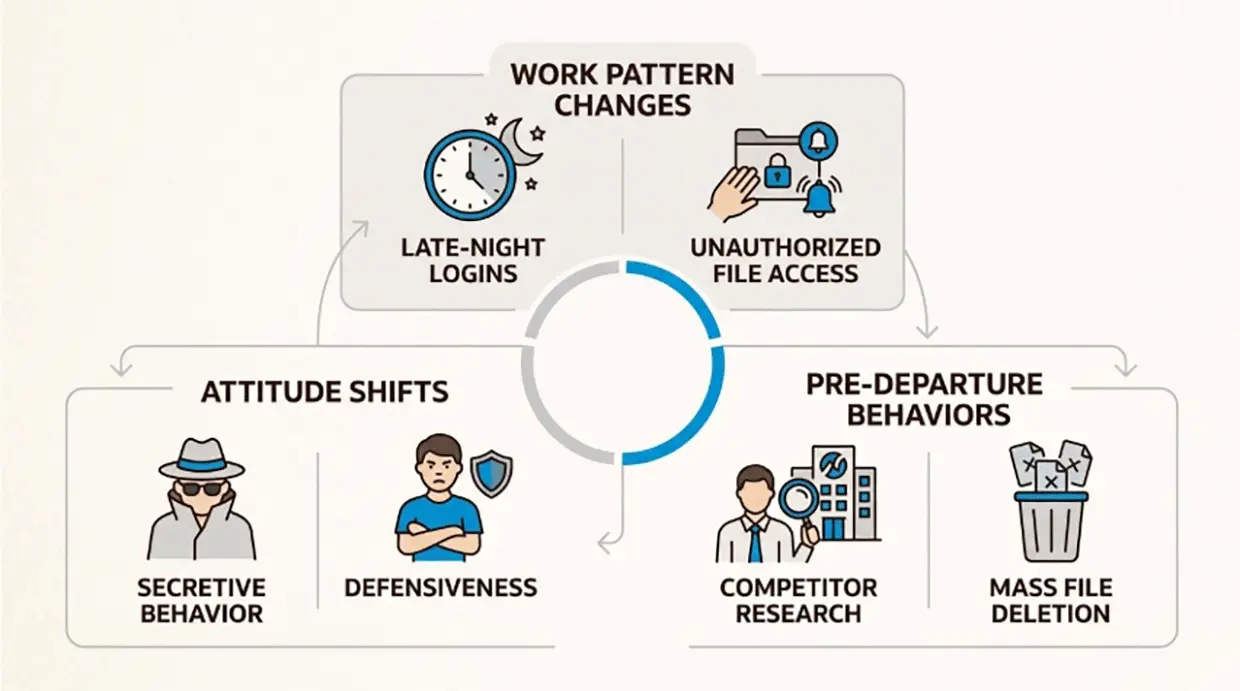
Changes in work patterns
Employees planning to steal data often modify their work habits to avoid detection. Working unusual hours, particularly late nights or weekends when fewer colleagues are present, creates opportunities to access systems without scrutiny. While occasional overtime is normal, a sudden shift to consistently working off-hours should raise questions.
Similarly, accessing files or systems unrelated to an employee's role is a significant red flag. Someone in marketing suddenly digging through engineering databases, or a sales representative exploring HR records, may be gathering information they should not have. Context matters here. An employee taking on new responsibilities might legitimately need broader access. But unexplained exploration of unrelated systems rarely has innocent explanations.
Attitude and conduct shifts
Emotional changes can signal underlying issues. Employees displaying increased stress, frustration, or dissatisfaction with the organization may feel disconnected enough to justify theft. Disgruntled employees sometimes steal data as retaliation or to gain a competitive advantage before leaving.
Watch for employees who become secretive or defensive when approached about their work. Someone who previously shared information freely but now guards their screen or provides vague explanations may be hiding something. The same applies to employees who resist taking time off or having others cover their duties. Fear of discovery often manifests as reluctance to let anyone else access their systems.
Pre-departure behaviors
The period before an employee leaves is particularly risky. Expressing unusual interest in competitors, discussing new employment opportunities, or asking detailed questions about non-compete agreements can signal that departure plans are forming.
Excessive "cleaning up" of digital workspaces shortly before resignation is another warning sign. While organizing files can be professional behavior, mass deletions, clearing browser history, or removing emails may indicate efforts to conceal activity. The timing and scope of such actions matter significantly.
Technical indicators forensic investigators watch for
Digital breadcrumbs often tell the story that behavior suggests. Forensic investigators know where to look for evidence of data theft, and businesses should understand these indicators to spot problems early.
Unusual data access patterns
Modern systems generate logs of virtually every action. Analyzing these logs reveals patterns that human observation might miss. Employees accessing files they have never opened before, performing excessive searches across databases, or downloading unusually large volumes of data are all causes for concern.
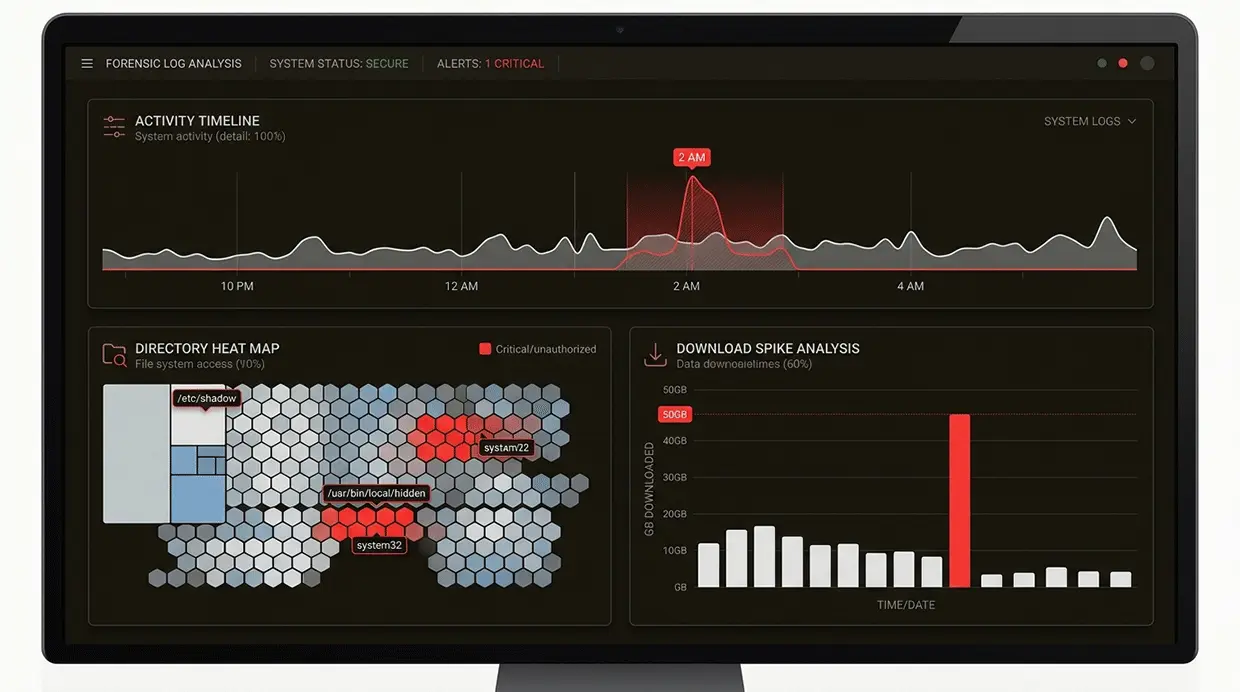
The key is establishing baselines. What does normal access look like for each role? Sudden deviations from established patterns, particularly involving sensitive information, warrant investigation. An employee who typically accesses a few customer records per day suddenly downloading the entire customer database is an obvious example. But subtler patterns, like gradually increasing access to competitive intelligence or technical documentation, can be equally significant.
Data movement red flags
How data moves is often more telling than what is accessed. Transferring files to USB drives, external hard drives, or personal cloud storage services like Dropbox and Google Drive represents a clear attempt to remove data from company control. Even if company policy technically permits personal cloud storage, the practice creates significant risk and complicates recovery efforts.
Emailing documents to personal accounts is another common exfiltration method. Employees may believe they are simply backing up their work or preparing materials for a job search. Regardless of intent, moving company data outside controlled systems violates security protocols and creates exposure.
A particularly sophisticated indicator is the conversion of documents to formats that are easier to exfiltrate. The 2024 Insider Threat Report by Cybersecurity Insiders found that 37% of unusual data aggregation steps involve converting files to images or PDFs, often through screenshots. This technique bypasses some data loss prevention tools that monitor for specific file types. User activity analysis can help identify these patterns before significant damage occurs.
Security circumvention attempts
Employees attempting to hide their activities often take steps to disable monitoring or cover their tracks. Disabling antivirus software, turning off logging, using incognito browsing modes, or clearing browser history and cache are all attempts to evade detection.
Tech-savvy employees may employ more sophisticated techniques, such as using virtual machines, encrypted communication channels, or dedicated cleaning software to remove traces of their activities. These actions demonstrate awareness that their behavior is improper and a deliberate effort to avoid accountability.
Network anomalies
Network monitoring can reveal suspicious activity that individual system logs might miss. Large data transfers at unusual times, connections from unexpected geographic locations, or traffic to known file-sharing services all warrant investigation.
Employees might attempt to bypass company networks entirely by using personal hotspots or VPN services to access cloud storage directly. While these tools have legitimate uses, their appearance in patterns inconsistent with normal work activity suggests potential data exfiltration.
Financial red flags that suggest data theft motives
While behavioral and technical indicators reveal how theft might occur, financial pressures often explain why. Understanding the motive behind potential theft helps assess risk and identify high-risk individuals.
Living beyond means
Perhaps the most obvious financial red flag is an employee whose lifestyle dramatically exceeds their salary. Expensive cars, luxury vacations, or significant purchases that do not align with known income sources may indicate alternative funding. While windfalls happen, unexplained wealth warrants attention.
The forensic accounting principle is straightforward: follow the money. If an employee earning $75,000 annually suddenly displays the spending habits of someone earning $200,000, questions need to be asked. The source might be legitimate (inheritance, spouse's income, investments), but it might also represent proceeds from selling company data or intellectual property.
Financial distress
Conversely, employees facing financial difficulties may feel pressure to steal. The Verizon 2020 Data Breach Investigations Report found that 86% of all data breaches are financially motivated. Employees experiencing foreclosure, medical debt, gambling problems, or other financial stressors may view company data as a solution to their problems.
This is not to suggest that every employee with financial difficulties poses a threat. Most people navigate financial challenges without resorting to theft. But when financial pressure combines with access to valuable data and other warning signs, the risk profile increases significantly.
Refusal of oversight
Employees engaged in financial misconduct often resist audits, oversight, or documentation requirements. Refusing to provide receipts, pushing back against financial reviews, or insisting on handling sensitive transactions without supervision can indicate attempts to conceal fraudulent activity.
Missing documentation, incomplete records, or unexplained discrepancies in financial reports should trigger immediate investigation. These gaps rarely occur by accident and often represent deliberate efforts to hide misconduct.
High-risk employee profiles to monitor
Certain employee profiles warrant heightened attention due to their access levels, circumstances, or behavioral patterns. Understanding these profiles helps organizations allocate monitoring resources effectively.
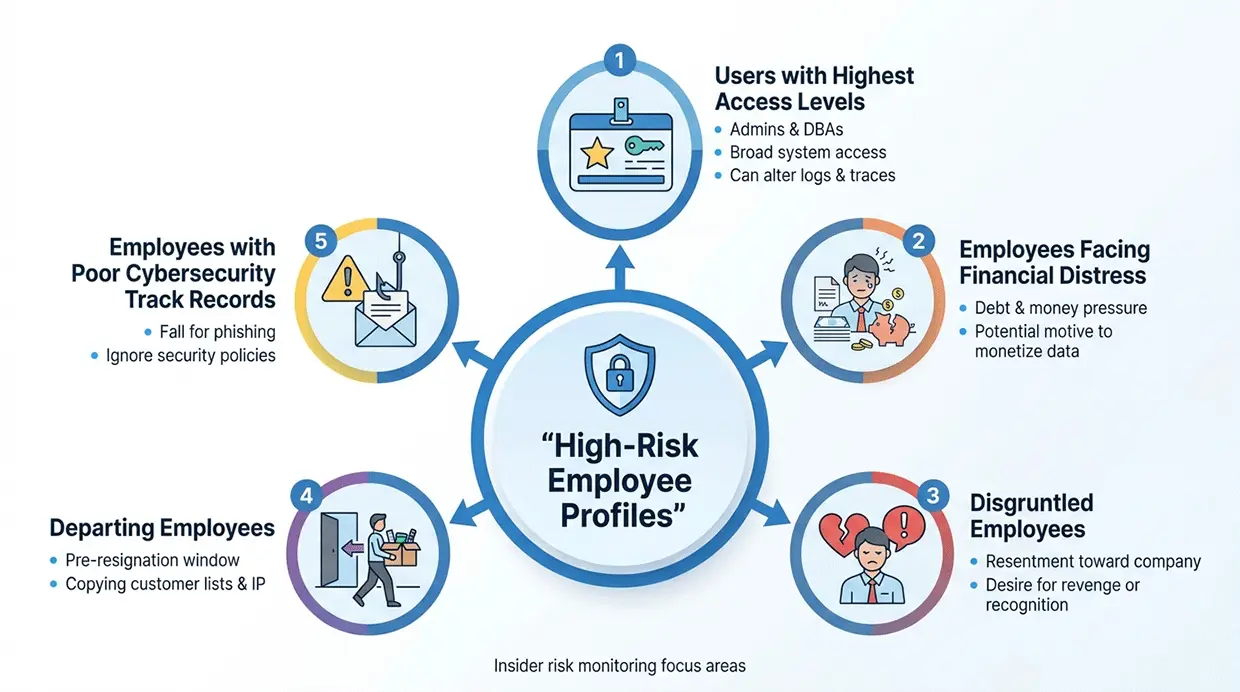
Users with highest access levels
Employees with administrative privileges or broad system access pose the greatest risk simply because they can reach the most valuable data. Database administrators, system architects, and senior engineers often have access that spans multiple departments and data types.
The risk is compounded when these employees also have the technical sophistication to cover their tracks. A database administrator knows exactly where logs are stored and how to modify or delete them. An experienced developer can write scripts that exfiltrate data automatically without triggering standard alerts.
Employees facing financial distress
As discussed, financial pressure creates motive. Employees experiencing significant financial difficulties, whether from lifestyle inflation, medical emergencies, gambling debts, or other causes, may be tempted by opportunities to monetize their access to company data.
Organizations should be particularly vigilant when financial stress coincides with other risk factors, such as disgruntlement or impending departure. The combination of motive, means, and opportunity creates a dangerous scenario.
Disgruntled employees
Employees who feel undervalued, mistreated, or passed over for advancement may seek revenge through data theft. Warning signs include frequent complaints about management, expressions of resentment toward the organization, or open discussion of finding new employment.
The risk increases significantly when disgruntlement coincides with access to sensitive information. A bitter employee with access to customer lists, trade secrets, or strategic plans represents a serious threat that should not be ignored. Corporate investigations can help assess the scope of potential exposure when these situations arise.
Departing employees
The statistics are stark: 89% of employees retain access to sensitive corporate applications well after their departure, according to an Intermedia study. Yet only 29% of organizations have formal offboarding processes that ensure access is properly revoked.
The 90-day window before resignation announcement is particularly critical. During this period, employees may be gathering materials for their next role, sharing information with future employers, or simply taking what they believe they are entitled to after years of service. Regardless of motivation, the result is the same: valuable company data walking out the door.
Employees with poor cybersecurity track records
Employees who consistently ignore security policies, fall for phishing attempts, or resist security training represent risks even if they have no malicious intent. Negligent insiders can cause as much damage as malicious ones, and their poor security habits make them easier targets for external attackers seeking to recruit insiders.
What to do when you suspect employee data theft
Discovering potential employee data theft requires careful, methodical response. Acting too quickly can tip off the suspect and lead to destruction of evidence. Acting too slowly allows continued damage. The key is balancing discretion with thoroughness.
Document everything
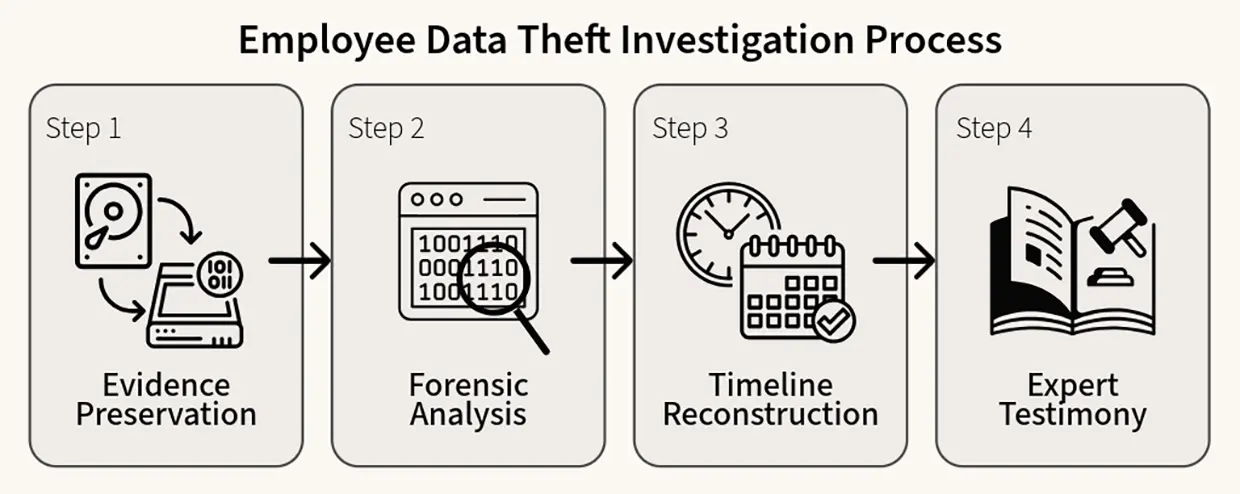
The first priority is preserving evidence. Access logs, audit trails, email records, and system snapshots should be secured immediately. This documentation serves two purposes: it helps understand the scope of potential theft, and it provides evidence for potential legal action.
Documentation must be handled carefully to maintain chain of custody. Evidence collected without proper procedures may be inadmissible in court. Organizations should involve legal counsel early to ensure that evidence preservation follows proper protocols.
Conduct discrete investigation
Investigations should proceed quietly to avoid alerting the suspect. Premature confrontation can lead to evidence destruction, additional data theft, or legal complications. The goal is to gather sufficient information to understand what happened, who was involved, and what data was affected before taking action.
Forensic analysis of employee devices, network activity, and data access patterns can reveal the full scope of potential theft. This analysis should include checking for unusual file transfers, use of unauthorized storage devices, disabled security tools, and attempts to cover tracks. Professional forensic investigations and analysis can uncover evidence that internal IT teams might miss.
Involve legal counsel and HR
Employee data theft investigations intersect with employment law, privacy regulations, and potential criminal prosecution. Legal counsel should guide the investigation to ensure compliance with applicable laws and preservation of evidence for potential litigation.
Human resources plays a critical role in managing the employment relationship aspects of the investigation. Termination decisions, employee communications, and workplace morale all require careful handling. HR can also help assess whether the employee's conduct violates company policies or employment agreements.
Preserve evidence for court
If the investigation reveals actual theft, the organization may need to pursue civil litigation or criminal charges. Evidence collected during the investigation must meet legal standards for admissibility. This includes maintaining chain of custody, documenting collection procedures, and ensuring that forensic analysis follows accepted methodologies.
Expert testimony may be required to explain technical evidence to judges and juries. Forensic investigators who can translate complex technical findings into clear, understandable testimony provide significant value in legal proceedings. Expert testimony services can make the difference between successful prosecution and dismissed charges.
Protecting your business with professional forensic expertise
Employee data theft cases require specialized expertise that many organizations lack internally. Digital forensics professionals bring the tools, techniques, and experience necessary to uncover evidence, analyze complex technical systems, and present findings in legally admissible formats.
When to bring in forensic investigators
Organizations should consider professional forensic assistance when:
- The potential theft involves significant value or sensitive data
- Internal investigation capabilities are insufficient for the technical complexity
- Evidence may be needed for litigation or criminal prosecution
- The suspect has technical sophistication that could enable cover-up attempts
- Regulatory compliance requires formal investigation procedures
Early involvement of forensic experts maximizes the chances of recovering evidence and understanding the full scope of potential damage. Waiting until after internal investigations are complete may result in lost evidence or compromised chain of custody.
How forensic experts uncover hidden evidence
Professional forensic investigators use specialized tools and techniques to recover deleted files, analyze system artifacts, and reconstruct user activity. Even when employees attempt to cover their tracks, digital forensics often reveals evidence of the cover-up itself.
Forensic imaging creates bit-by-bit copies of storage devices, preserving evidence in its original state while allowing analysis to proceed on working copies. This approach maintains evidence integrity while enabling thorough investigation. Analysis can recover deleted files, examine system logs, identify data exfiltration channels, and establish timelines of activity.
Court-admissible evidence collection
Not all technical analysis meets legal standards for admissibility. Forensic investigators follow established methodologies and maintain detailed documentation to ensure that their findings can be presented in court. Chain of custody procedures, verification of tool accuracy, and adherence to industry standards all contribute to evidence reliability.
The goal is not just finding evidence, but finding evidence that will withstand legal scrutiny. Amateur investigations, no matter how well-intentioned, often compromise evidence admissibility and undermine legal proceedings.
Expert witness testimony for litigation
When employee data theft cases reach litigation, expert witnesses play a crucial role in explaining technical evidence to judges and juries. Effective expert testimony translates complex forensic findings into clear, understandable explanations that support legal arguments.
Black Dog Forensics brings decades of experience to employee data theft investigations. Our team has provided expert testimony in hundreds of cases, helping organizations understand what happened, recover from damage, and pursue appropriate legal remedies. We have been featured on Dateline and NBC's Karamo, reflecting our reputation for thorough, reliable forensic analysis.
If you suspect employee data theft or want to strengthen your organization's ability to detect and respond to insider threats, contact our team for a confidential consultation. We can help you understand your options, preserve critical evidence, and develop a response strategy that protects your business interests.


