


 346-200-6097

The Clock Starts Before the Lawsuit Does
Once an EEOC complaint lands, or even once HR receives an internal complaint that looks headed that way, the preservation clock is already running. Employee Slack messages, texts on personal phones used for work, shared drive access logs, and email all become potential evidence, and all of it can disappear through routine IT processes if nobody stops it in time.
Where Employment Evidence Actually Lives
It rarely lives only in the employee's official work email. Modern workplaces run on Slack, Microsoft Teams, personal devices under BYOD policies, shared drives, and sometimes personal social media. A wrongful termination or harassment claim can turn on a Slack direct message thread that IT would otherwise purge in thirty days under a default retention policy.
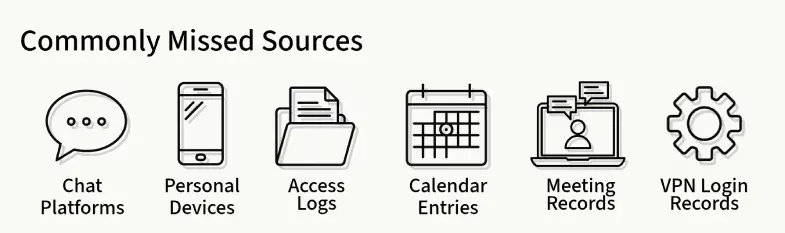
Common sources that get missed:
- Slack, Teams, or other chat platforms, including direct messages between the complainant and others, not just channel activity
- Text messages on personal devices used for work communication under a BYOD policy
- Access logs showing who viewed, edited, or downloaded specific files around key dates
- Calendar entries and meeting records that establish timelines
- Badge access and VPN login records that can corroborate or contradict a timeline
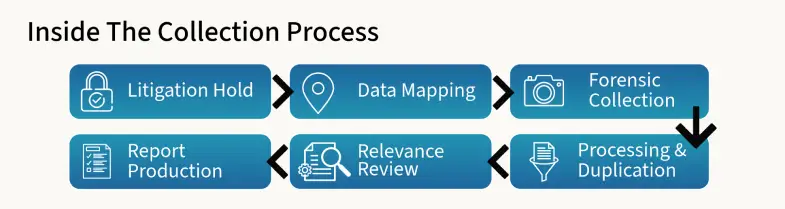
How the Collection Process Actually Works
1. Litigation Hold Issuance
Counsel identifies custodians (the complainant, the accused, direct managers, HR personnel involved) and the systems that need to be frozen: email, chat platforms, device backups, and any relevant shared drives.
2. Data Mapping
Before collecting anything, the examiner maps where relevant data actually lives. Slack and Teams both offer compliance or eDiscovery APIs (Slack's Discovery API, Microsoft Purview for Microsoft 365) that can export full message history, including edited and deleted messages, if the export is triggered before the platform's retention window closes.
3. Forensic Collection
Depending on device ownership, this ranges from a native compliance export (for company-owned platforms and accounts) to a forensic logical or physical extraction of a personal device, which requires consent or a clear BYOD policy giving the company that right.
4. Processing and Deduplication
Raw exports are processed through early case assessment tools to deduplicate, filter by date range and custodian, and cut the volume down to what's actually relevant before attorneys start reviewing.
5. Privilege and Relevance Review
Counsel reviews the processed set for privilege and responsiveness, typically inside a review platform that preserves metadata fields like sender, recipient, timestamp, and custodian.
6. Production
Relevant, non-privileged material is produced in native format or with a load file that keeps metadata intact, which matters if the other side later challenges authenticity or completeness.
Self-Collection Creates Its Own Risk
When HR or IT pulls messages manually and forwards screenshots to counsel, metadata gets stripped and the collection itself becomes hard to defend if challenged. Manual collection also tends to be selective, even unintentionally, which creates exposure if opposing counsel later shows the production wasn't complete. A forensic, API-based collection preserves the full record, including what might not favor the employer, which protects credibility if the case moves forward.
The BYOD Privacy Line
Personal devices raise a genuine tension: the company may have a legitimate need for work-related messages, but employees have privacy interests in personal content on their own phones. A defensible collection process typically uses selective, targeted extraction methods and mobile device management (MDM) tools that separate the work container from personal data, and clear consent language in the BYOD policy signed at onboarding. Getting this wrong can create its own liability, separate from the underlying claim.
Getting Ahead of the Complaint
Waiting for a formal discovery request means losing the routine deletion window most companies have on chat platforms and mobile devices. Bringing in a forensic expert as soon as a complaint is filed, or even once one looks likely, keeps that evidence intact and keeps the company's position defensible.
The preservation clock starts the moment a complaint is filed. Get your free printable Employment Complaint Response ChecklistWhat Belongs in the Litigation Hold Letter
A hold that only says "preserve relevant documents" invites exactly the kind of gap a plaintiff's attorney will later exploit. A stronger hold specifically names:
- Every messaging platform in use, including Slack, Teams, and text messages on both personal and company-issued devices
- Personal devices used under a BYOD policy, along with the scope of what the company is entitled to access on them
- Specific custodians by name and role, not just "HR" or "management"
- A clear date range tied to when the complained-of conduct is alleged to have occurred
- Instructions to suspend any auto-delete settings on relevant accounts and platforms immediately
Questions Worth Asking Internally Before Litigation Starts
- Has IT actually suspended the routine deletion schedule on the accused's and complainant's accounts and devices, or just been told to?
- Does the company's BYOD policy give it the right to collect from personal devices, or will that require separate employee consent?
- Is a compliance export tool (Slack Discovery, Microsoft Purview) already configured, or does it need to be enabled before relevant data starts rolling off the retention schedule?
Common Mistakes Employers Make
- Assuming email is the only relevant channel. Most of the real conversation happens in chat platforms and texts that a generic hold never mentions by name.
- Letting HR or a manager self-collect "the relevant stuff" instead of running a full, defensible export. This looks selective even when it isn't, and it's an easy target in a later motion.
- Waiting for the EEOC's formal request before locking anything down. By the time the agency asks, the routine deletion window on chat platforms has often already closed.
Where Black Dog Forensics Comes In
Black Dog Forensics helps corporate and employment defense counsel preserve and analyze workplace communications, including chat platforms, mobile devices, and access logs, in employment litigation and EEOC matters nationwide.
Facing a complaint that's likely to turn into litigation? Work with our team.

